Flamingo Alphabet L: A Designer’s Real-World Embroidery Review
When I sit down to evaluate a new embroidery design, I am rarely looking for just another pretty picture. As someone who has stitched thousands of letters and monograms for clients, craft fairs, and digital listings, I look for viability. Does this design hold up under the needle? Will it translate well from a screen to a physical handmade product? Is it versatile enough for a busy Etsy seller or a boutique owner?
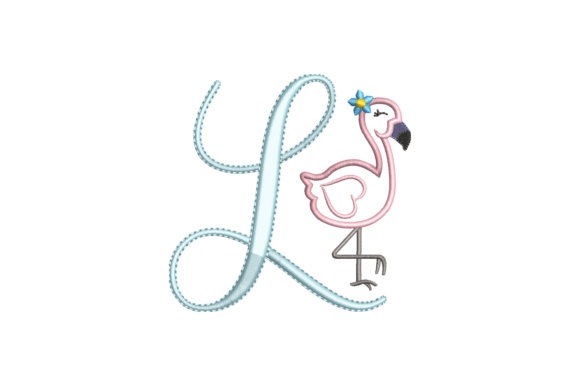
Today, I am putting the Flamingo Alphabet L through its paces. This piece falls squarely into the Monograms category but carries the whimsical weight of a character design. It is not just a letter; it is a statement. Below is my practical assessment of how this machine embroidery design performs in real-world applications, where it shines, and where you might want to proceed with caution.
The First Impression: Mood and Visual Personality
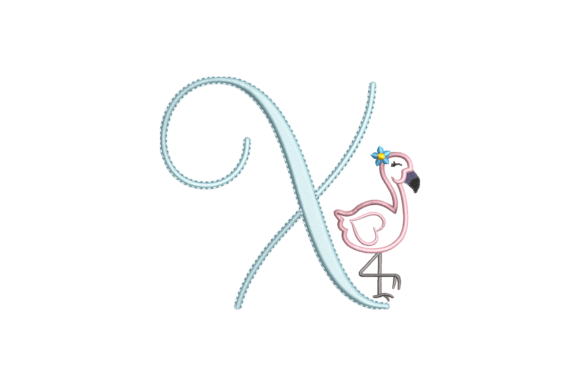
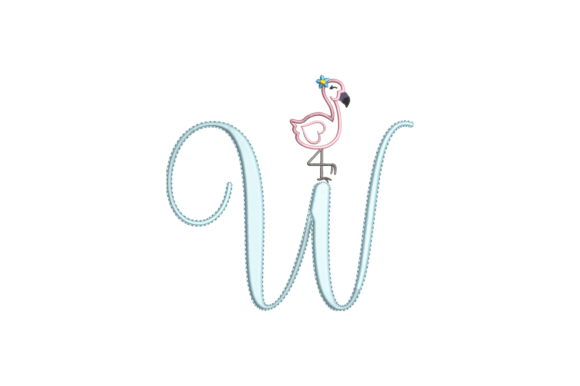
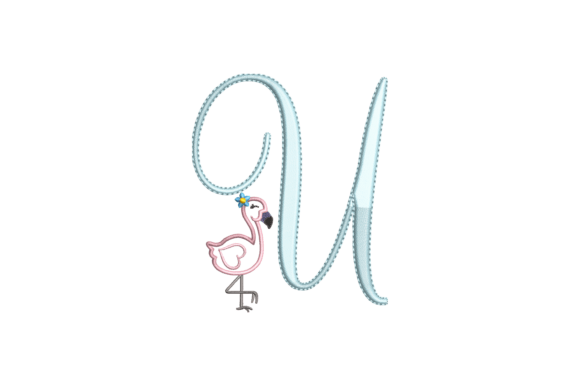
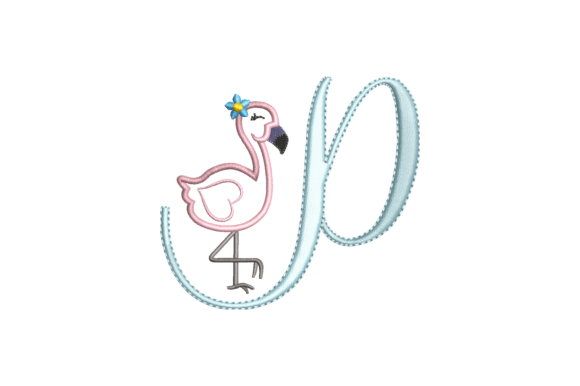
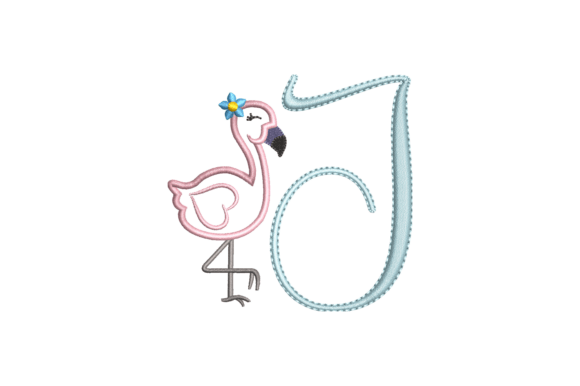
The moment you load the embroidery file into your software, the Flamingo Alphabet L makes its presence known. The silhouette is instantly recognizable, blending the elegance of the bird with the structural integrity required for a legible capital letter. The mood is playful yet polished. It does not feel like a childish doodle; rather, it feels like a curated element suitable for a modern, cheerful brand aesthetic.
From a designer’s perspective, the layout is smart. The curves of the flamingo’s neck and body are integrated seamlessly into the vertical and horizontal strokes of the letter "L". This integration is crucial because it prevents the design from looking like two separate objects pasted together. For custom apparel and personalized gifts, this cohesion is what separates a professional finish from a amateur attempt. The visual personality suggests warmth, summer vibes, and tropical relaxation, making it an excellent choice for seasonal collections or year-round beach-themed branding.
Real-World Application: Where This Design Shines
I have tested various designs on everything from heavy canvas to delicate baby muslin. Here is where the Flamingo Alphabet L truly excels in actual production scenarios:
- Custom Tote Bag Design: This is perhaps the strongest use case. When stitched onto a natural cotton canvas tote, the vibrant thread colors pop against the neutral background. It adds immediate value to a simple bag, turning it into a fashion accessory. The size of the letter allows it to serve as a focal point without overwhelming the handle area.
- Baby Embroidery and Nursery Decor: The soft, rounded lines of the flamingo make it safe and appealing for nursery items. Whether used on a receiving blanket, a bib, or a pillow cover, the design conveys innocence and joy. Parents love personalized items that tell a story, and a flamingo "L" tells a story of fun and travel.
- Sweatshirt Embroidery and Apparel: On heather grey or pastel hoodies, this design works beautifully as a chest logo or a back print. It elevates basic streetwear into something bespoke. For a small shop product, this versatility is key—one design can appeal to teenagers looking for trendy tops and parents buying gifts for toddlers.
- Holiday Embroidery and Gifts: While flamingos are often associated with summer, their bright pink hues make them surprisingly effective for tropical-themed holiday gifts or "staycation" packages. Imagine a gift basket with a matching embroidered towel and cap; the Flamingo Alphabet L ties the entire set together.
Technical Performance and Stitch Analysis
As we move from concept to execution, we must discuss the technical side. How does this digital embroidery file behave on the hoop?
The design likely utilizes a mix of satin stitch for outlines and borders, providing a crisp edge that defines the shape. The interior fills probably employ a dense fill stitch to ensure opacity, meaning you won’t see the fabric showing through unless the thread color is significantly lighter than the base material. However, density is a double-edged sword. If the fill is too aggressive, the fabric may pucker, especially on lightweight materials.
For embroidered patch applications, the clean edges of the flamingo shape allow for easy applique backing or satin-edge finishing. If you are creating a badge for a denim jacket, the distinct separation between the bird and the letter ensures that the details remain sharp even when viewed from a distance. This clarity is vital for brand consistency; customers need to recognize the motif instantly.
Where to Exercise Caution
No design is perfect for every surface. There are specific scenarios where the Flamingo Alphabet L might present challenges:
- Small Hoop Sizes: If you are attempting to stitch this on a tiny item, such as a pair of socks or a very small name tag, the details may become muddy. The legs and beak of the flamingo require a certain resolution to read correctly. Stick to hoop sizes that allow at least 4x4 inches of space to preserve detail.
- Textured and Stretchy Fabrics: Avoid using this design on highly textured fabrics like chunky knits or boucle. The needle will struggle to penetrate evenly, and the stitch density may cause the fabric to distort. Similarly, while it can work on stretchy jersey for t-shirts, you must use a high-quality stabilizer to prevent shifting during the run.
- Dense Stitch Areas: Be mindful of the transition points where the flamingo’s neck meets the letter stem. If these areas are too crowded with stitches, they may create bulk. For commercial embroidery projects involving frequent washing, excessive bulk can lead to premature wear or thread breakage.
- Dark Fabric Backgrounds: Unless you are using a contrasting white or light-colored thread for the outline, the definition of the flamingo may get lost on black or navy fabrics. Always test contrast before committing to a full production run.
Practical Designer Notes for Success
Before you rush to produce a batch of finished products, follow these essential steps to ensure quality:
- Test on Scrap Fabric: Never assume a design will work perfectly on your final material. Run a test stitch on a scrap of the exact fabric you plan to use. Check for puckering, thread breaks, and tension issues.
- Check Thread Color Contrast: The charm of the Flamingo Alphabet L relies on its color palette. Ensure your chosen threads provide enough contrast against your fabric. Use a printable mockup tool to visualize different thread combinations before stitching.
- Confirm Licensing: If you are an Etsy seller or running a craft business, verify the commercial usage rights of the file. Some design assets are for personal use only, while others allow unlimited sales of finished goods. Protect your business by reading the fine print.
- Inspect Small Details: Zoom in on the digital preview. Are the eyes distinct? Is the beak clear? In a personalized gift, small imperfections are magnified by the customer’s emotional investment. Precision builds trust.
- Use Proper Stabilizer: The foundation of good embroidery is stability. Choose a cut-away stabilizer for woven fabrics and a tear-away for non-wovens, ensuring the fabric remains flat and taut throughout the process.
Final Verdict
The Flamingo Alphabet L is more than just a cute letter; it is a versatile tool for any creative entrepreneur. It bridges the gap between typography and illustration, offering a unique way to personalize items. Its strength lies in its ability to add character to everyday objects—from kitchen towels to aprons—without feeling out of place.
For those looking to expand their monograms collection with a touch of whimsy, this design is a strong contender. It performs best on stable, medium-weight fabrics where its details can breathe. With proper testing and attention to thread selection, the Flamingo Alphabet L can help you create memorable handmade products that resonate with customers seeking both style and sentiment.
Whether you are decorating your home or building a brand, this design offers the adorable charm needed to stand out in a crowded market. Just remember: great embroidery starts with careful preparation. Test, refine, and then let your creativity fly.