Rose Mini Quilt-E Review: A Designer’s Take on This Sweet Embroidery Design
As a designer who spends half my life staring at stitch charts and the other half troubleshooting tension issues, I don’t just buy embroidery files because they look pretty in a thumbnail. I buy them because they solve a problem, add value to a finished product, or bring a specific emotional tone that customers respond to. When I first laid eyes on Rose Mini Quilt-E, it didn’t scream "high-fashion statement piece." Instead, it whispered something much more valuable for today’s handmade market: comfort.
This design falls squarely into the category of delicate, decorative accents. It isn’t meant to be the hero of a heavy-duty work jacket or the logo on a corporate polo. Rather, it is the perfect finishing touch for items that require a soft, feminine, and nostalgic aesthetic. If you are an Etsy seller, a craft fair vendor, or a boutique owner looking to elevate your handmade product line, understanding where this design fits—and where it might struggle—is crucial before you commit to bulk production.
The First Impression: Mood and Visual Personality
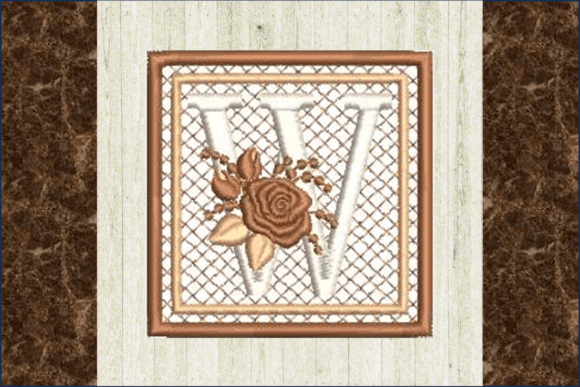
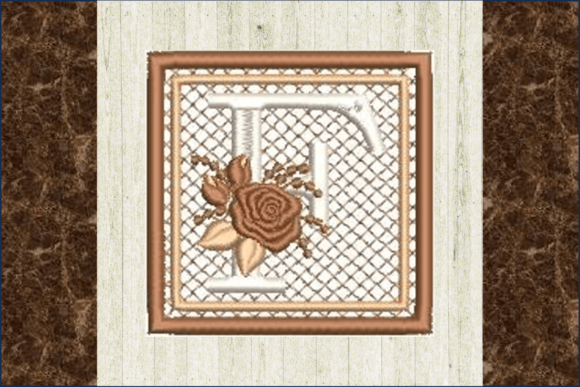
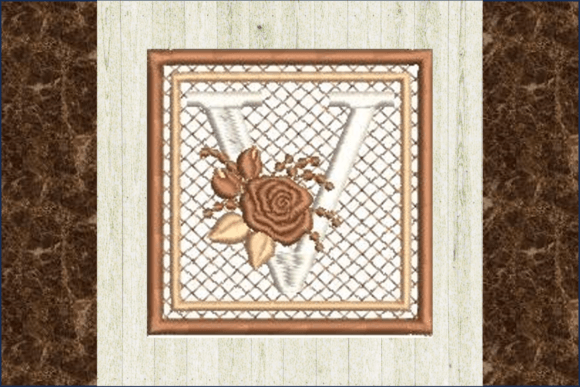
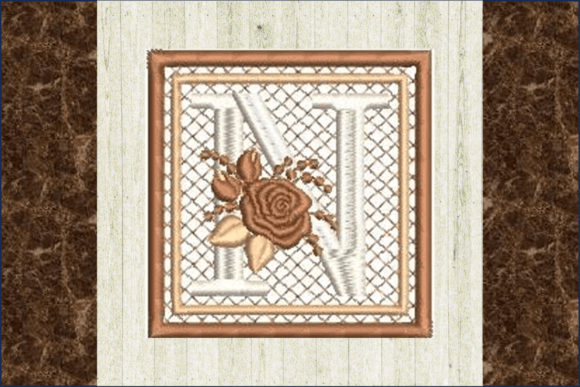
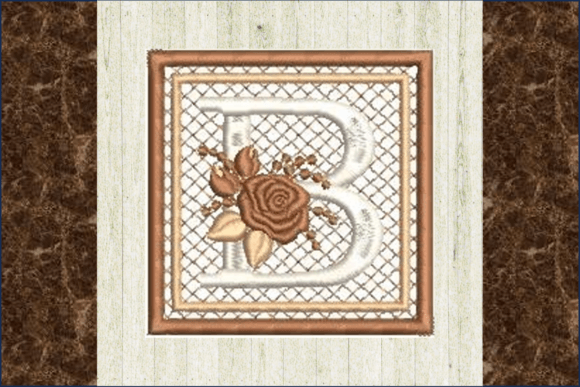
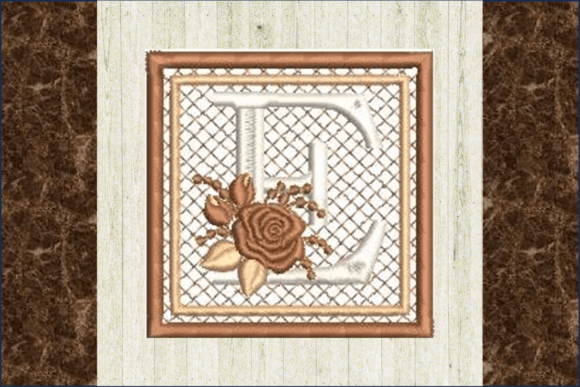
The name itself gives away the vibe. "Rose" suggests romance, tradition, and classic beauty, while "Mini Quilt-E" hints at patchwork heritage and cozy domesticity. Visually, the design carries a lightness that feels airy rather than dense. In an era where many embroidery trends lean toward bold, graphic logos or intricate, heavy fill stitches, Rose Mini Quilt-E offers a refreshing breath of fresh air.
What strikes me immediately is the layout. It appears designed to sit comfortably within a smaller hoop size, allowing it to function as an intimate detail rather than a dominant feature. The visual personality is sweet but not childish. It has enough definition to read clearly from a distance, yet enough delicacy to invite closer inspection. For a buyer scrolling through Instagram or browsing an online shop, this kind of design stops the scroll because it promises a tactile experience—the softness of thread against fabric, the slight raised texture of the stitching.
This is not just a digital asset; it is a mood board come to life. It evokes memories of grandmother’s quilts, spring gardens, and slow mornings. Leveraging that emotional connection is key when marketing to consumers who are buying not just a product, but a feeling.
Real-World Application: Where Does It Shine?
Let’s talk about actual use cases. I recently considered using Rose Mini Quilt-E for a custom order of personalized gifts. Here is how I evaluated its potential across different categories:
- Bath and Linens: The product description notes that monograms and small designs are perfect for bath towels and scarves. I agree. Placing this rose motif on a plush white bath towel or a lightweight linen scarf adds a touch of elegance without overwhelming the texture of the fabric. It works beautifully as a corner accent or centered near the hem.
- Nursery and Baby Items: There is a natural affinity between rose motifs and baby products. However, caution is advised with skin sensitivity. For items like muslin swaddles or crib bumpers (where safe), this design provides a gentle, gender-neutral or feminine appeal. It translates well to baby embroidery projects where parents want something timeless rather than trendy.
- Home Decor Accents: The description mentions the design looks sweet "plopped on a bookshelf or setting on a photo easel." This suggests it works exceptionally well on small pillow covers, kitchen tea towels, or even as an embroidered patch on a denim apron. Imagine a set of matching kitchen towels with this design stitched subtly in the corner—it creates a cohesive, branded look for a home goods shop.
- Custom Apparel: For sweatshirt embroidery or t-shirts, this design would likely serve best as a secondary detail. Perhaps placed over the heart area of a hoodie or on the sleeve cuff of a long-sleeve tee. It adds a layer of personalization that makes a mass-produced garment feel unique and special.
The versatility of Rose Mini Quilt-E lies in its subtlety. It doesn’t demand attention; it earns it through quality execution. When used correctly, it enhances the perceived value of the item, making a simple cotton tote bag feel like a curated boutique find.
Practical Considerations and Potential Pitfalls
No design is flawless, and every embroiderer knows that theory often meets reality in the hoop. Here are the critical areas where you need to exercise judgment when working with Rose Mini Quilt-E.
Fabric Compatibility
This design relies on fine lines and potentially small details. Therefore, fabric texture is paramount. On tightly woven fabrics like percale cotton or high-quality linen, the stitches will lay flat and crisp. However, if you attempt this on a highly textured fabric like bouclé, heavy fleece, or a loose-weave burlap, the details may get lost. The threads might sink into the pile, resulting in a muddy appearance. Always test on your actual base material before committing to a final product.
Hoop Size and Density
Because this is a "mini" design, it likely operates well within standard small hoops (4x4 inches or 5x7 inches). However, you must check the stitch density. If the design uses too much fill stitch in a small area, it can become stiff and unyielding, which is undesirable for garments that need to drape softly. Conversely, if the running stitch or outline elements are too sparse, they may pucker the fabric, especially on thin materials. Ensure you are using the appropriate stabilizer—cut-away for knits and stretchy fabrics, tear-away for wovens—to maintain stability during stitching.
Thread Color Contrast
The success of any embroidery file hinges on color choice. With a rose theme, you have options ranging from deep burgundy to soft blush pink. On dark fabrics, ensure the thread has enough opacity. Light pastel threads on navy or black fabric can sometimes appear washed out or translucent, losing the intended sweetness of the design. I recommend testing your thread colors against your fabric under natural lighting conditions. Sometimes, what looks good on screen does not translate perfectly to the physical world.
Licensing and Commercial Use
Before you start listing these items on Etsy or your own website, you must verify the licensing terms. Many designers offer different tiers of licenses for personal use versus commercial sale. Even if you are selling the finished physical product, some licenses require additional fees or restrict the number of units sold. Do not assume that purchasing the file grants unlimited commercial rights. Check the documentation provided by the creator to ensure you are compliant, protecting your business from legal issues.
Final Verdict: Is It Worth Your Time?
In my assessment, Rose Mini Quilt-E is a strong addition to any designer’s library, particularly those focusing on lifestyle, home decor, and personalized gifts. It excels in creating a sense of warmth and care, qualities that resonate deeply with buyers of personalized gifts and custom apparel.
It is not a design for high-performance athletic wear or rugged outdoor gear. But for the maker who values aesthetics, emotion, and craftsmanship, this file offers a reliable way to add a professional, polished touch to everyday items. Whether you are creating a batch of holiday ornaments, wedding favors, or seasonal kitchen linens, Rose Mini Quilt-E delivers a consistent, charming result that customers appreciate.
My advice? Start small. Stitch a few samples on various fabrics, experiment with different thread combinations, and see how the design interacts with your specific machine settings. Once you dial in the perfect balance of tension and stabilizer, you will find that this little rose packs a surprisingly big punch in terms of customer satisfaction and brand consistency. It is a reminder that sometimes, the smallest details make the biggest difference in the world of machine embroidery design.