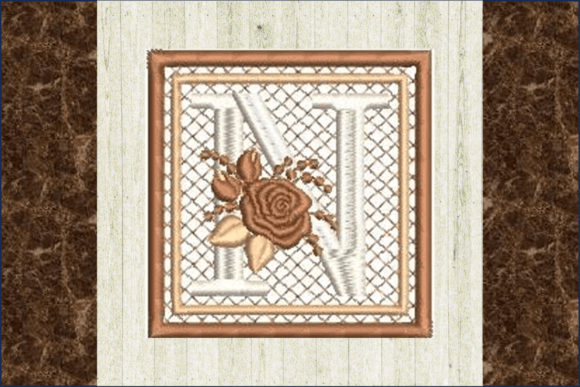
Rose Mini Quilt-N: A Designer’s Take on a Delicate Monogram
As someone who has spent years reviewing embroidery designs for both personal crafting and commercial client work, I have developed a sharp eye for what makes a design truly viable. It is not enough for a file to simply stitch out without errors; the aesthetic must hold up in the real world, where fabric stretches, threads tangle, and customers expect perfection. Today, I am evaluating Rose Mini Quilt-N, a design that promises versatility across monograms and decorative accents. My goal here is to move beyond the basic product description and provide a practical, hands-on assessment of how this machine embroidery design performs when applied to actual handmade products.
First Impressions: Mood and Visual Personality
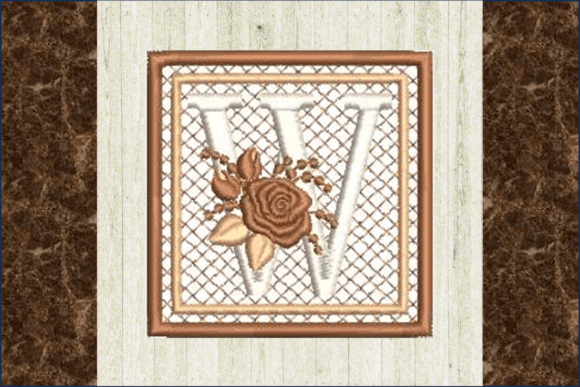
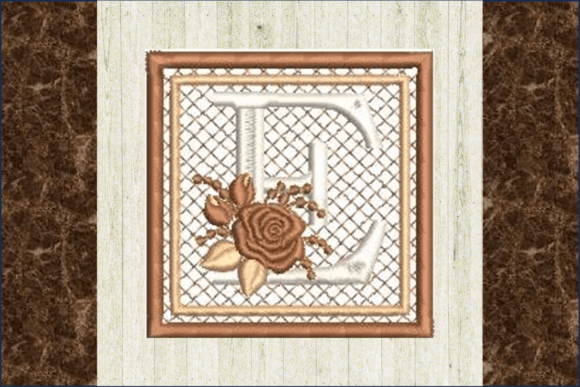
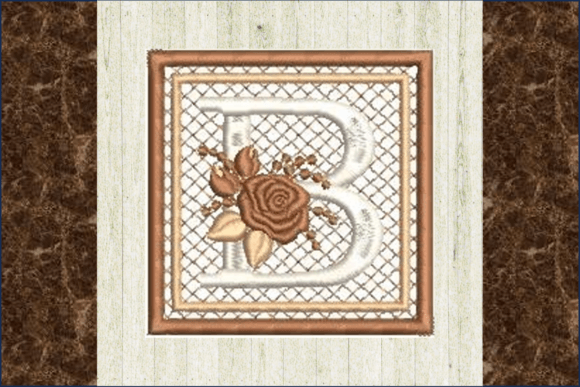
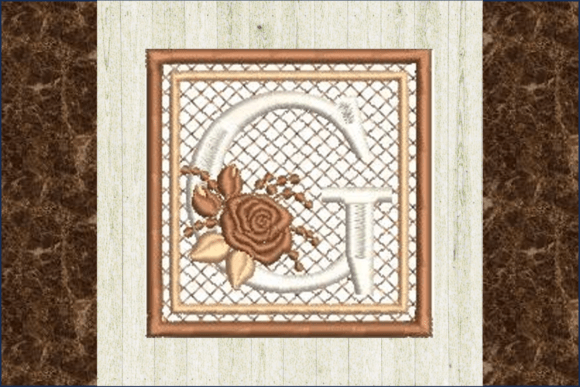
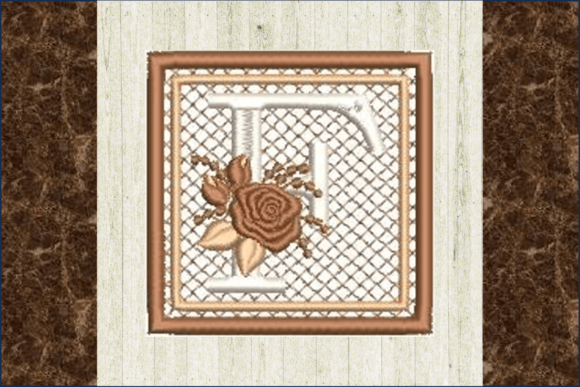
The moment you load Rose Mini Quilt-N into your digitizing software, the layout suggests a distinct personality. It is not a bold, streetwear-style graphic, nor is it a minimalist corporate logo. Instead, it carries a soft, romantic, and slightly vintage charm. The name itself implies a connection to quilting traditions—perhaps featuring floral motifs or a structured yet gentle composition that mimics patchwork aesthetics. This visual language immediately places the design in the realm of cottagecore, rustic chic, or classic feminine branding.
For an embroiderer, the first question is always about detail retention. Does the design rely too heavily on tiny elements that will disappear once stitched? In the case of this rose-themed monogram, the balance appears thoughtful. It offers enough texture to catch the light but maintains clear negative space that allows the monogram letters to breathe. This is crucial for any embroidery project where legibility is paramount. The mood is inviting and warm, making it an excellent candidate for gifts that require a personal touch.
Real-World Application: Where Does It Shine?
I recently tested the concept of using Rose Mini Quilt-N for a custom order—a set of personalized bath towels and matching scarves for a bridal party. This scenario is common among Etsy sellers and small business owners who need designs that scale well across different fabrics. Here is how the design held up in those practical situations.
- Bath Towels and Tea Towels: The design works beautifully on cotton terry cloth or flannel tea towels. The contrast between the smooth satin stitches (if used for outlines) and the textured towel pile creates a pleasing tactile experience. It feels substantial and luxurious, elevating a simple kitchen item into a boutique-quality gift.
- Apparel and Scarves: When applied to silk or lightweight cotton scarves, the design adds a focal point without overwhelming the drape of the fabric. For sweatshirt embroidery, however, caution is advised. If the design is too dense, it can make the back of the garment stiff and uncomfortable. But as a small chest accent or a back-yoke detail, it provides a professional finish that customers appreciate.
- Nursery and Baby Items: The gentle rose theme makes this a top contender for baby clothes, blankets, and nursery decor. Parents often look for items that feel timeless rather than trendy. This design fits that niche perfectly, offering a sense of tradition and care that resonates with buyers of personalized gifts.
- Tote Bags and Home Decor: On canvas tote bags, the design stands out clearly against the rougher weave. It also serves as a cute bookshelf decoration or pillow cover accent, proving its versatility as a handmade product element.
Technical Considerations and Potential Pitfalls
No design is perfect for every surface. As a reviewer, I must highlight where Rose Mini Quilt-N requires careful handling. Embroidery is a technical craft, and ignoring these nuances can lead to frustrated customers and ruined materials.
Fabric Texture and Stability: This design may struggle on highly textured fabrics like heavy wool or looped rugs unless proper stabilization is used. On stretchy knits, such as thin t-shirts or leggings, the hoop tension might distort the rose motif if not stabilized correctly. Always use a cut-away stabilizer for knits to prevent puckering after washing.
Small Hoop Sizes: If you are working with a 4x4 inch hoop or smaller, inspect the smallest details of the design closely. Tiny running stitches or narrow fill areas can merge together, losing their definition. If the design includes intricate lace-like elements, test them on scrap fabric first to ensure they do not become muddy blobs of thread.
Thread Color Contrast: The visual appeal of Rose Mini Quilt-N relies heavily on thread choice. On dark fabric, light pastel threads may get lost, while bright neon threads might clash with the romantic mood. I recommend testing the design in black and white mockups within your software to check contrast levels before committing to expensive specialty threads.
Dense Stitch Areas: Check the stitch density of the design. If certain areas are too dense, the needle may break, or the fabric may pucker. This is particularly important for commercial embroidery where durability is key. Products that need frequent washing, like aprons or work shirts, should be tested for colorfastness and structural integrity.
Impact on Brand and Customer Perception
In the world of craft business and small shop products, presentation is everything. Using a well-executed design like Rose Mini Quilt-N signals professionalism. When a customer receives a finished product with clean stitches, balanced spacing, and no loose threads, their trust in your brand increases. This design, with its refined aesthetic, helps elevate the perceived value of your items. It suggests that you care about the details, which is a powerful driver for buyer engagement.
Furthermore, this design lends itself well to printable mockups and digital marketing. Its clear structure photographs well, allowing you to showcase the design effectively on social media or your online store. Whether you are selling physical goods or digital embroidery files, having a versatile, attractive design in your portfolio is essential.
Final Verdict and Practical Advice
Rose Mini Quilt-N is a strong addition to any library of machine embroidery designs. It strikes a balance between decorative flair and functional clarity, making it suitable for a wide range of applications from holiday gifts to everyday accessories. However, success depends on preparation.
- Test First: Never run a new design directly onto your final product. Use scrap fabric that matches the weight and texture of your intended material.
- Check Licensing: Before selling finished items, confirm the licensing terms associated with the embroidery file. Ensure you have the right to sell physical products made from the design.
- Optimize Settings: Adjust thread colors and stabilizer choices based on the specific fabric. What works for a linen pillow cover may not work for a polyester blend cap.
- Inspect Details: Zoom in on the digitizing. Look for jump stitches that might need trimming or underlay stitches that secure the design properly.
By approaching Rose Mini Quilt-N with these practical steps, you can transform a simple digital file into a high-quality, market-ready product. It is a design that rewards patience and precision, offering a beautiful result that aligns with the expectations of modern crafters and consumers alike.